Clean Energy & Materials
Voltskin
A nanomaterial photovoltaic coating that turns ordinary surfaces into electricity-generating ones.
Nanomaterial photovoltaics
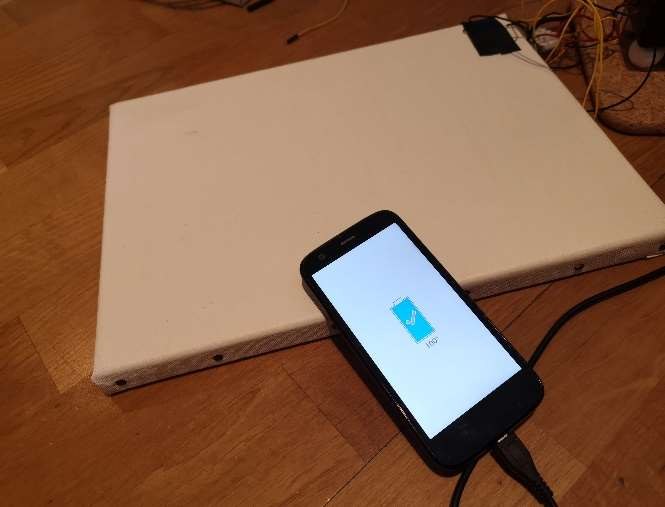
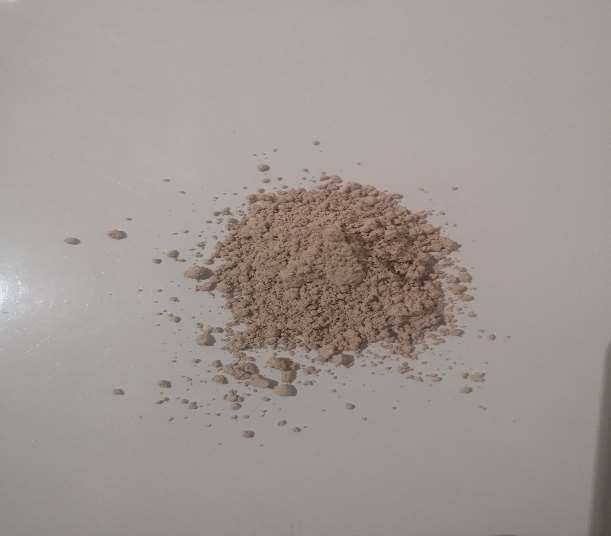
Voltskin is a photovoltaic coating — a solar paint, supplied in gel form — that turns ordinary surfaces into electricity-generating ones. The material uses nanomaterials including calcium titanate, titanium dioxide and zinc oxide, coated with semiconductor quantum dots, and is paired with a collector device built around ultra-fast-charging supercapacitors that store the captured energy.
The material has been examined by the Department of Analytical Chemistry at the University of Granada, which recorded energy-conversion efficiency above 11 per cent and issued a declaration of interest in collaborating on industrialising the process. The department reported that the coating adheres permanently to plastics, fabric, wood, metal and concrete, carries a service life of fifteen to twenty years, and has an installed cost per square metre on average roughly twelve times lower than conventional panels.
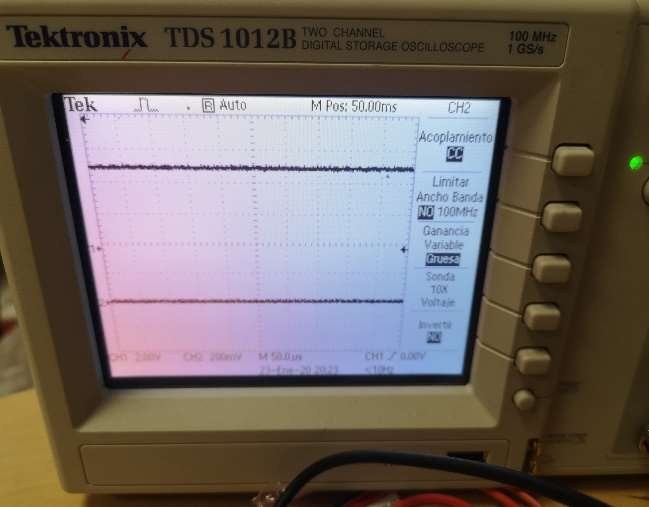
A separate inspection by TÜV SÜD Iberia, with Euro G-Sat, assessed the electrical and physical properties of two gel samples and their collector and returned a satisfactory result with no deviations. Together the assessments describe a low-cost, durable and environmentally benign route to distributed solar generation on surfaces where conventional panels cannot practically be installed.
Impact at a Glance
The numbers behind Voltskin
Figures are drawn from project documentation. Those describing modelled or projected outcomes are presented as targets rather than achieved results.
Energy-conversion efficiency above 11% recorded at the University of Granada
Estimated service life of 15–20 years
Installed cost per square metre roughly 12x lower than conventional panels
Hardness above 250 HB on the Brinell scale — harder than carbon steel
Stable from -20°C to +80°C; non-toxic, non-flammable and insoluble in water
Independently inspected by TÜV SÜD Iberia with no deviations recorded
Our Newsletter
Stay Informed
Get the latest on our grants, initiatives, and the technologies shaping a more sustainable and equitable future — delivered to your inbox.